
December 2025
a conversation with the creator, questioning change, dinosaur philosophy, mundane excellence, december update...


This email’s purpose is to:
share what I’m up to and interesting things I’ve found
stay in touch with you (feel free to reply with what’s new!)
December Update:
I’ve officially finished my last semester as a full-time student at Georgetown. Next semester, I’ll be taking one class for credit and spending the rest of my time sitting in on classes that interest me, both at Georgetown and elsewhere. I’m also planning to spend a few weeks in Boston, where I hope to sit in on classes and work on a couple of projects.
If you know of a class at Georgetown, in Boston, or elsewhere that you think I’d enjoy, I’d love to hear about it.
Thoughts I’m Pondering:
Are We Capable of Change?
Around this time of year, gym memberships skyrocket, social media apps vanish, and leafy greens appear on kitchen shelves everywhere. Why?
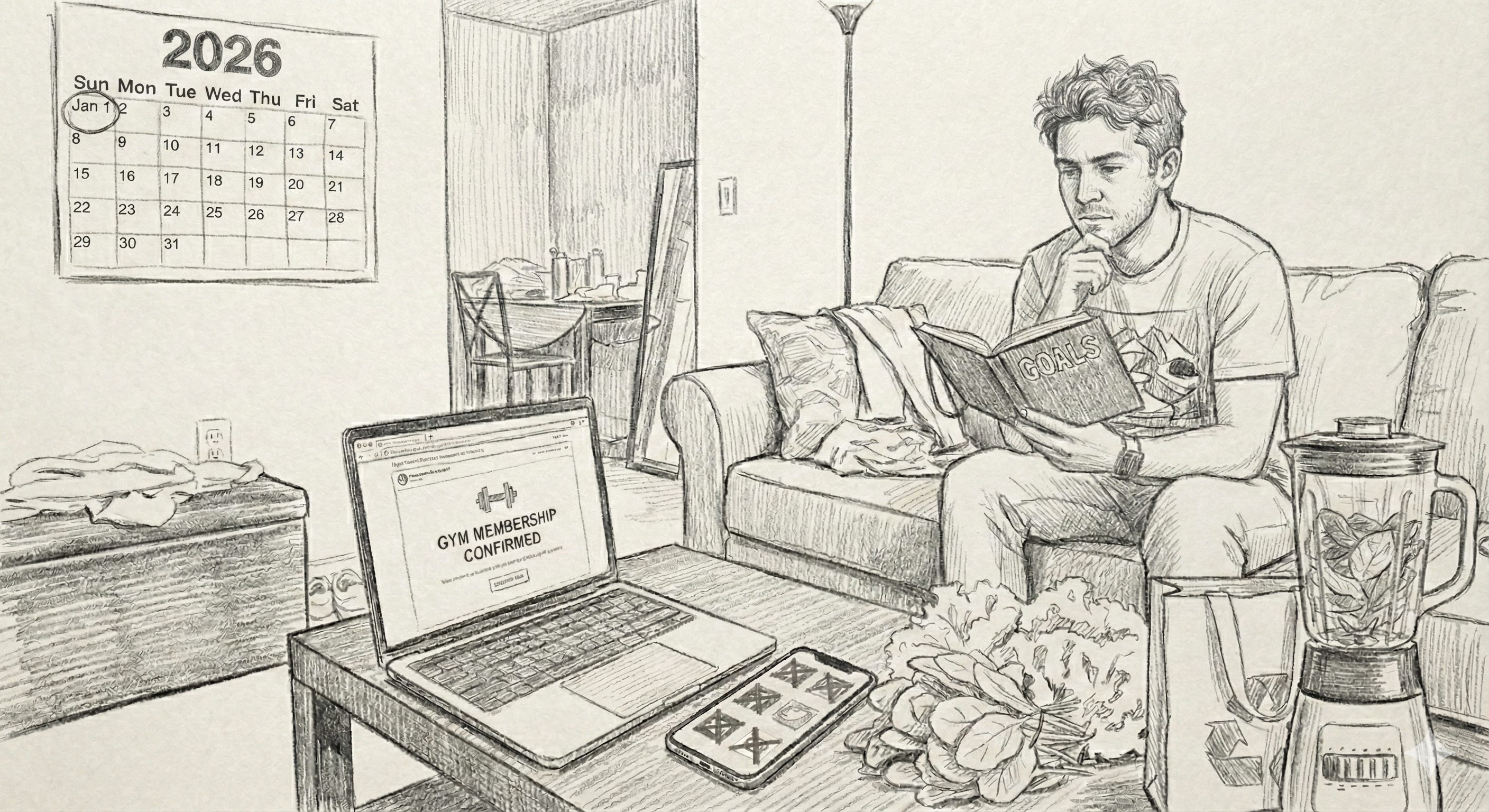
The New Year gives people another reason to set goals and another opportunity to change their lives for the better. Yet, judging by the number of gym memberships canceled, social media apps re-downloaded, and bags of wilted spinach left in refrigerators, those goals do not always go as planned.
This raises the question: Do people actually change?
Physically, we can. I recently learned about the difference between the cerebellum and the neocortex. The cerebellum governs fast, automatic motor programs shaped by evolution. Beach mice raised entirely in laboratory settings still dig burrows with escape tunnels that protect them from predators they have never seen. Because much of this programming is genetic, encoded through evolution rather than learned in real time, it is deeply inflexible. Change does not occur through insight or intention, but across generations.
Beach mice do not have New Year’s resolutions.
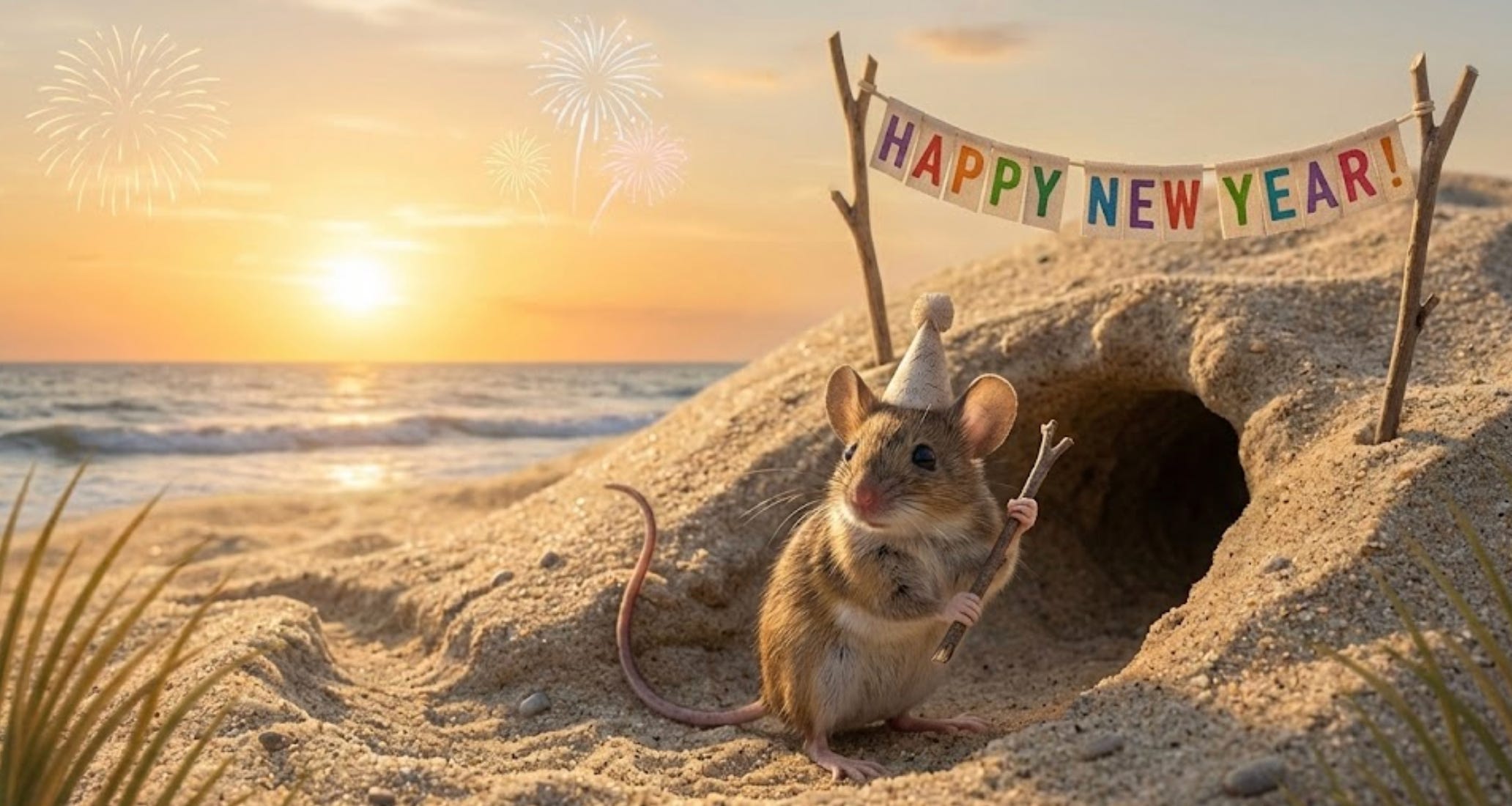
“It is not the strongest of the species that survives, nor the most intelligent, but the one most adaptable to change.” — Charles Darwin
However, humans have a neocortex. This allows us to change within a single lifetime, to revise our models of the world, and, in a real sense, to recreate ourselves. As Ray Kurzweil argues, the neocortex enables abstract reasoning, creativity, and the integration of information across modalities. We are capable of change, and yet we often do not, for one simple reason.
You are the way you are now for a reason.
Everything you have done has led you here. Change will happen naturally over time. The challenge is shaping it intentionally.
“Man cannot remake himself without suffering, for he is both the marble and the sculptor.” — Alexis Carrel
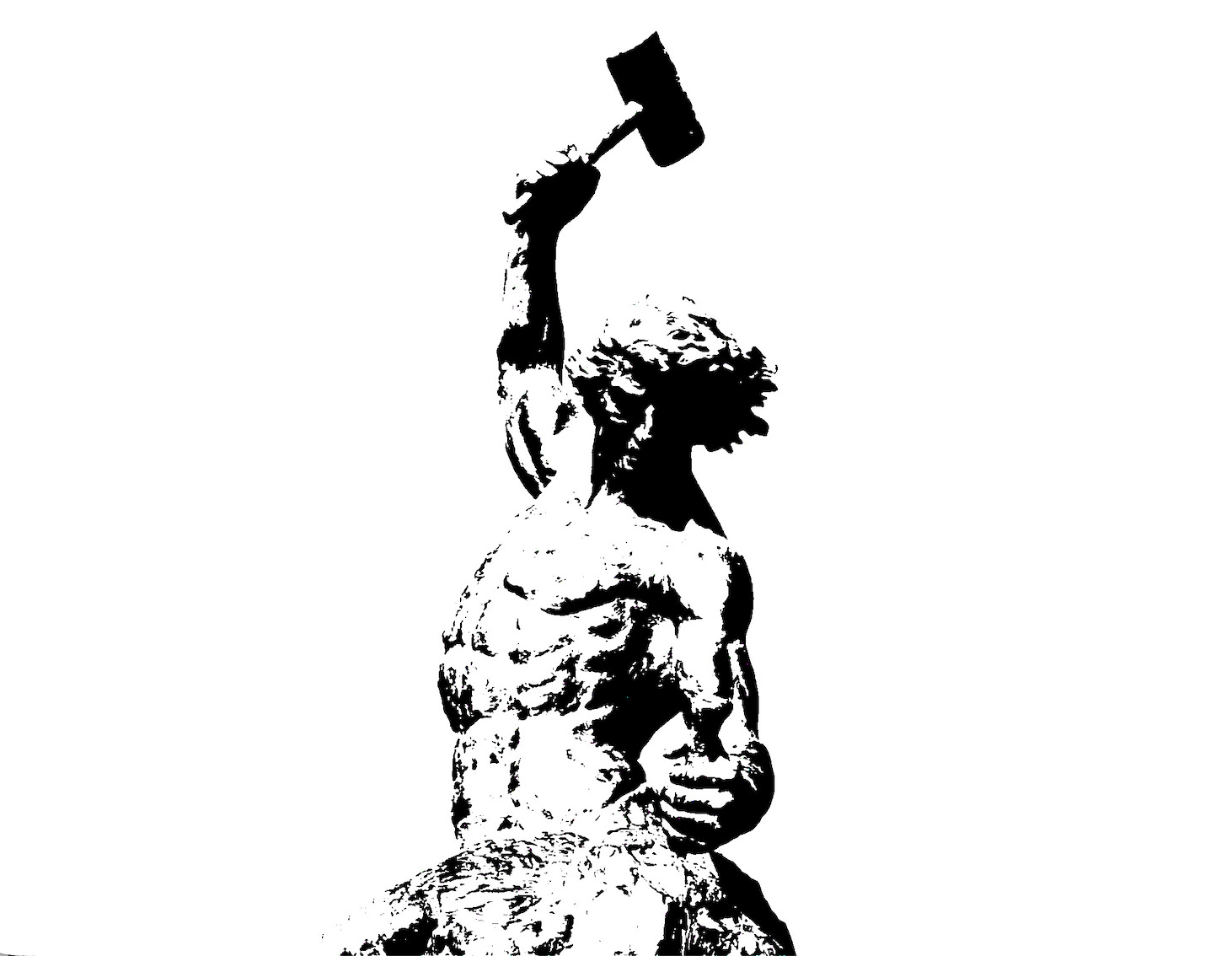
We can change, but will we?
The difficulty with the New Year is that it introduces artificial pressure. Every day before January 1st, you lived according to a set of habits that worked well enough to keep you where you are. Expecting a different outcome with the same inputs is irrational.
We all have a natural thermostat, an internal set point for health, happiness, finances, and fulfillment. Wherever we find ourselves, if we are sufficiently close to that set point, we tend to tolerate it. If we did not, we would have already changed. This is not to belittle our problems, but to clarify the difficulty of overcoming habitual inertia. In practice, most change fails not because people lack insight, but because the incentives and daily systems that produced the old equilibrium remain intact.
I hope this year will be fantastic. However, if it’s not, I understand that the pressures we hoped to avoid, or did not expect, can still be beneficial. Alex Hormozi has a great thought experiment where you imagine yourself talking with the creator of the universe before your birth. You get to pick which type of person you get to become.
“You say, ‘I want to be courageous,’ and the Creator replies, ‘Then I will give you monsters to terrify you, so you can learn courage.’
You say, ‘I want to be patient,’ and the Creator replies, ‘Then I will make you work harder and longer, so you can learn to wait.’
You say, ‘I want to be wise,’ and the Creator replies, ‘Then I will give you failures that will crush your spirit, so you can learn the value of judgment.’”
“Wish not for fewer problems, but for the skills to overcome them.” — Jim Rohn
This season, I try to remove the artificial pressure of the New Year and treat it instead as a milestone in a longer journey. As Jim Rohn said, the story of humanity is opportunity marked with challenge. In the year ahead, I hope we each receive just enough challenge to enable the change we have been seeking.
To health, wealth, and happiness.
Happy New Year.
Things Exciting Me:
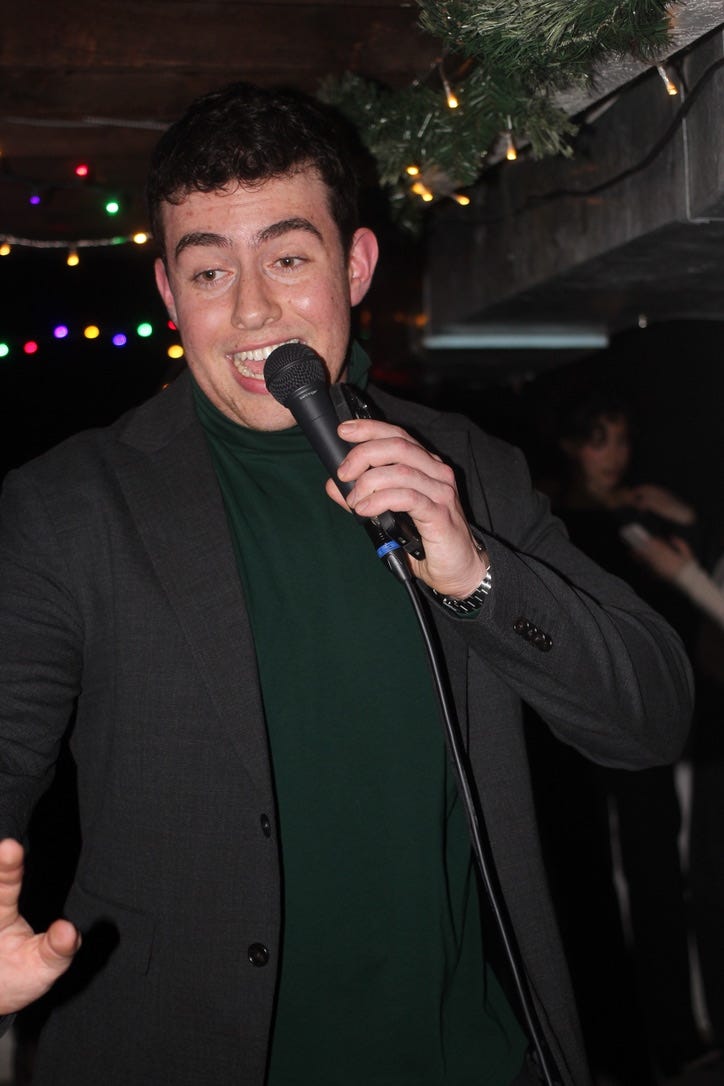
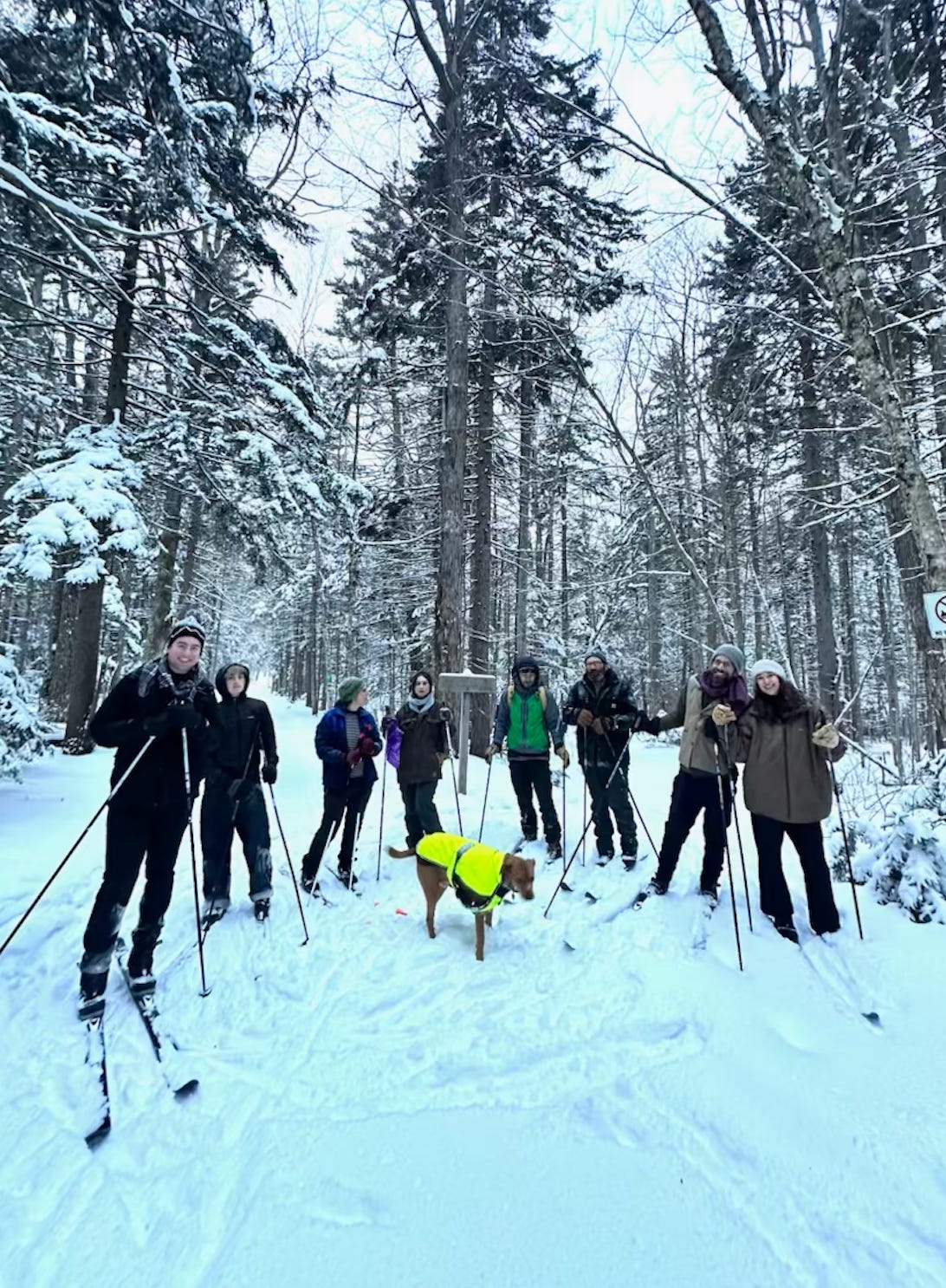
Holiday Jazz Night & Time in Vermont with the Family
Things I’m Enjoying w/ Takeaways:
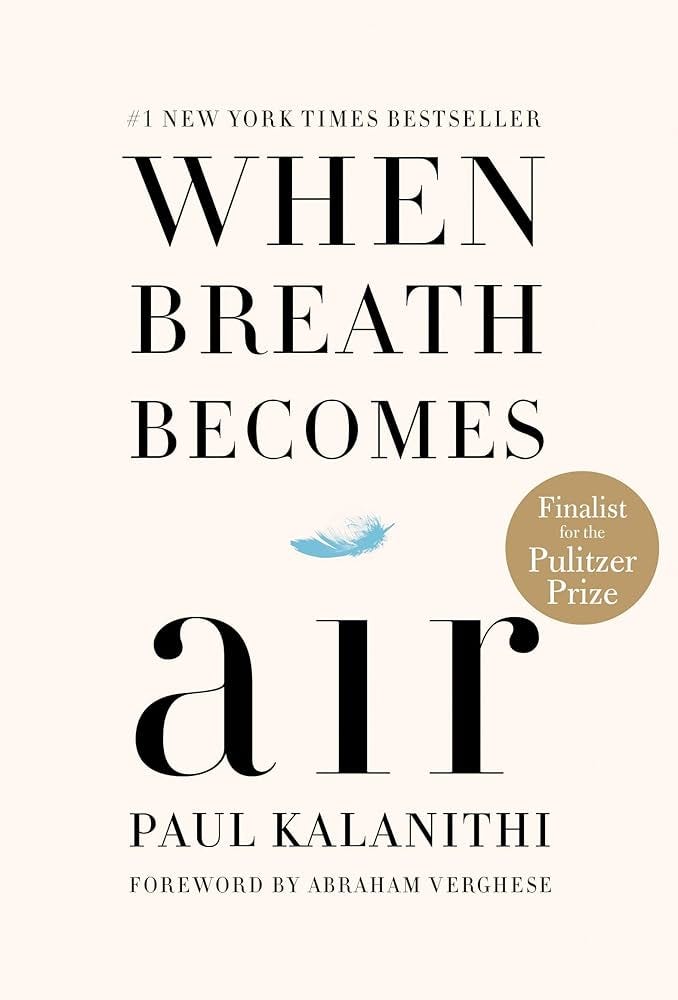
When Breath Becomes Air by Paul Kalanithi
At 36, Kalanithi was the consummate neuroscientist when he was diagnosed with stage IV lung cancer. This book is his way of processing his life and death as doctor and patient.
“When you come to one of the many moments in life where you must give an account of yourself, provide a ledger of what you have been, and done, and meant to the world, do not, I pray, discount that you filled a dying man’s days with a sated joy, a joy unknown to me in all my prior years, a joy that does not hunger for more and more but rests, satisfied. In this time, right now, that is an enormous thing.”
The Mundanity of Excellence by Daniel Chambliss
Elite swimmers don’t practice more; they practice differently.
Competition is highly stratified. Elites and amateurs play very different sports.
Most people have fundamentally different goals.
Excellence comes from mundane, habitual actions compounded over time.
Quotes for the New Year:
1.
“Life is a game meant to be enjoyed.” — Chase Hughes
2.
”Set goals not for what you’ll achieve when you complete them, but for who you’ll become by achieving them.” — Jim Rohn
3.
“Courage is the most important of all the virtues because without courage, you can’t practice any other virtue consistently.” ― Maya Angelou
Other: my favorite $14 gift, How to Have the Best Year Ever by Jim Rohn, Bad Bunny: Tiny Desk Concert NPR, The 7 Silent Killers of Success, MSCHF Ted Talk, Hiroshi Nagai: Colouring Japan’s Graphic Scene, The Magic of Transformers, Alex Hormozi Thought Experiment