
February 2026
Vibe Coding, A Dinner to Die For, Solar Panel Pandemonium, and Remaining Defiantly Optimistic...

This email’s purpose is to:
share what I’m up to and interesting things I’ve found
stay in touch with you (feel free to reply with what’s new!)
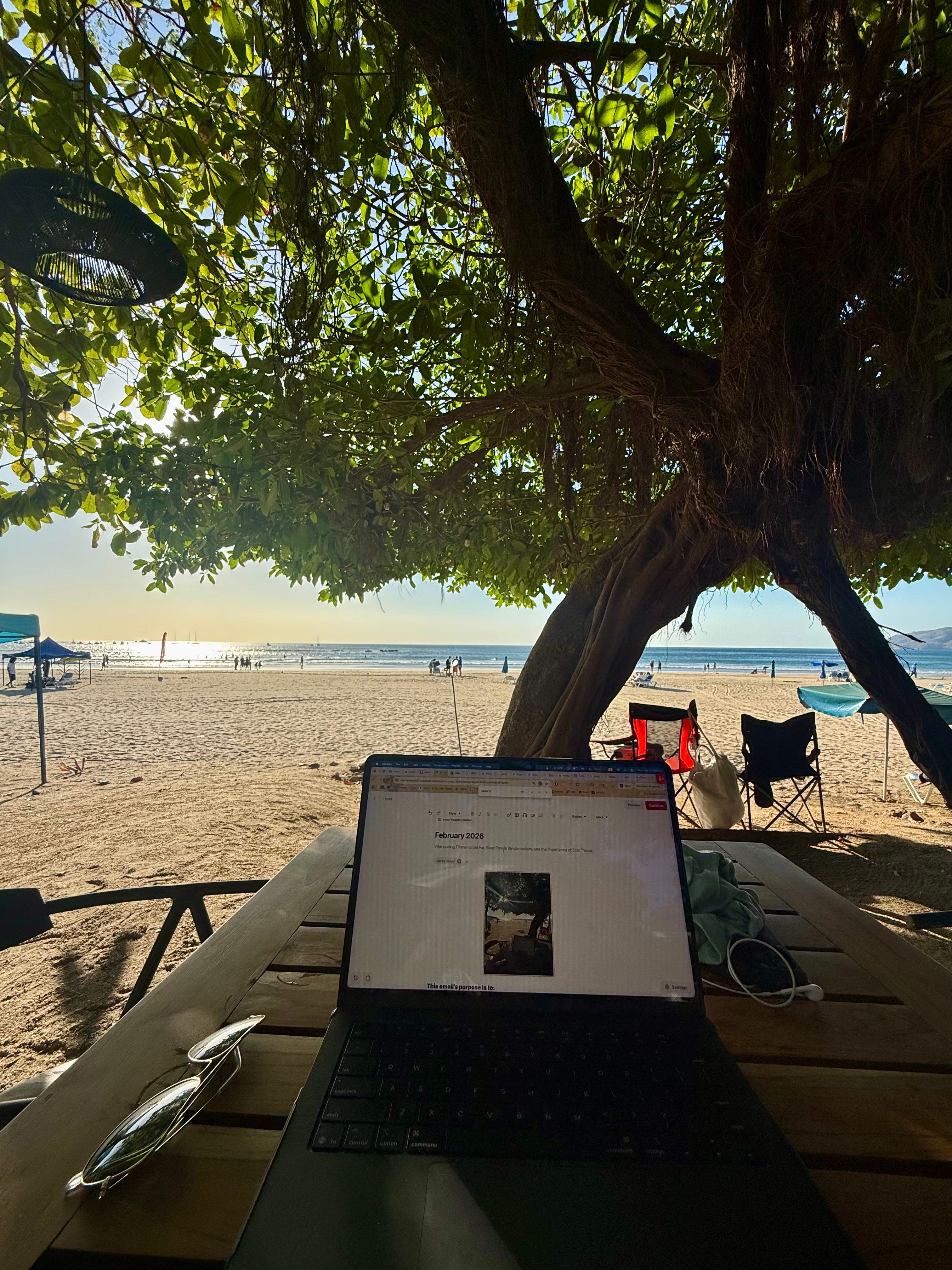
Things Exciting Me:
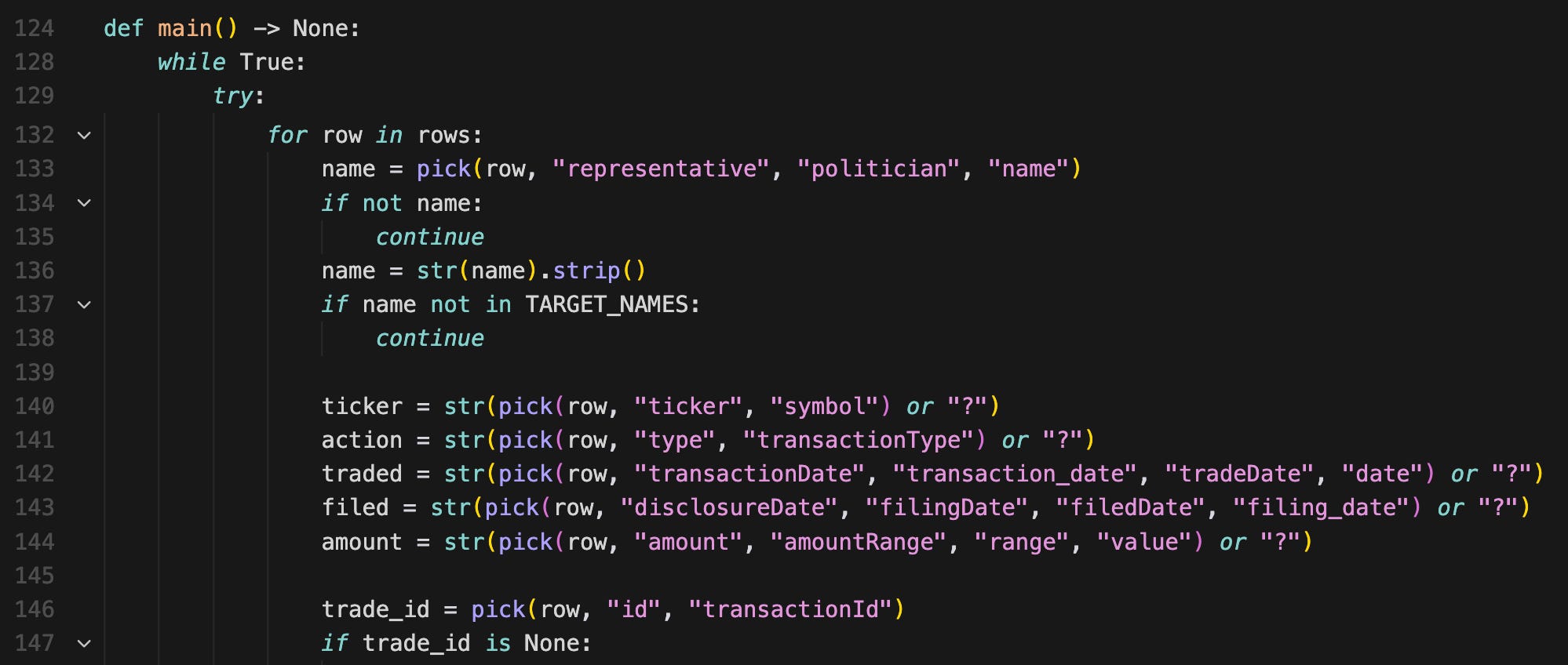
Becoming Technical With AI
I built two bots that track market data and public Congressional disclosures.
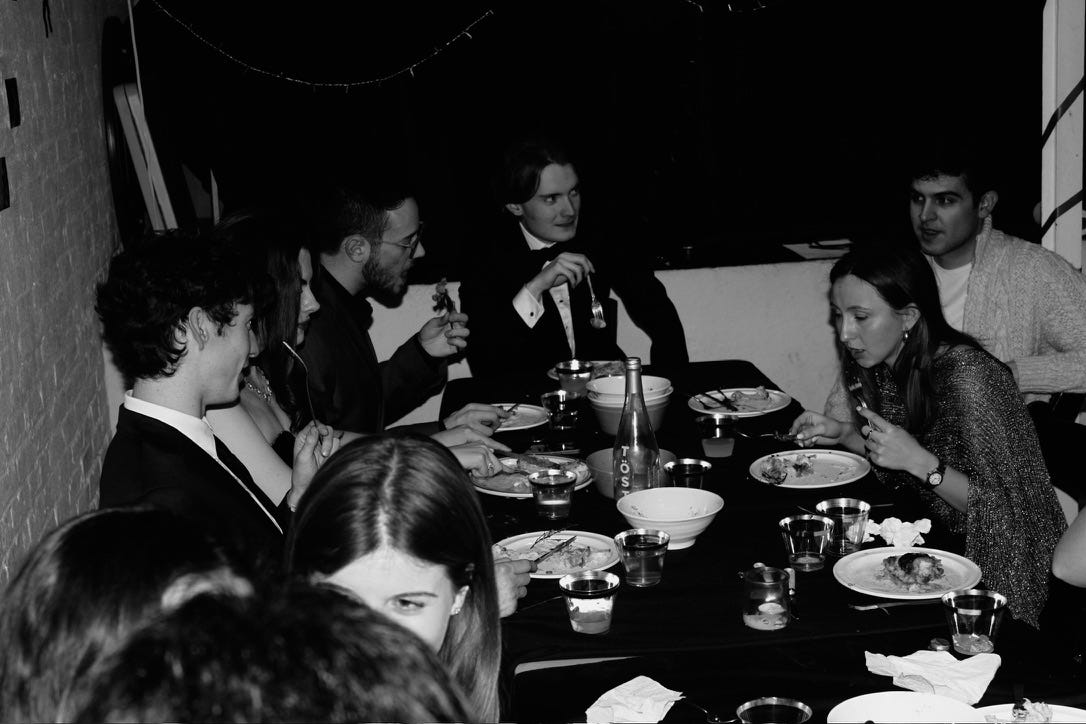
Hosting A Dinner In The Dark TURNED Murder Mystery
What was advertised as a four-course fine-dining “Dinner in the Dark” experience turned into a four-act, three-death murder mystery…
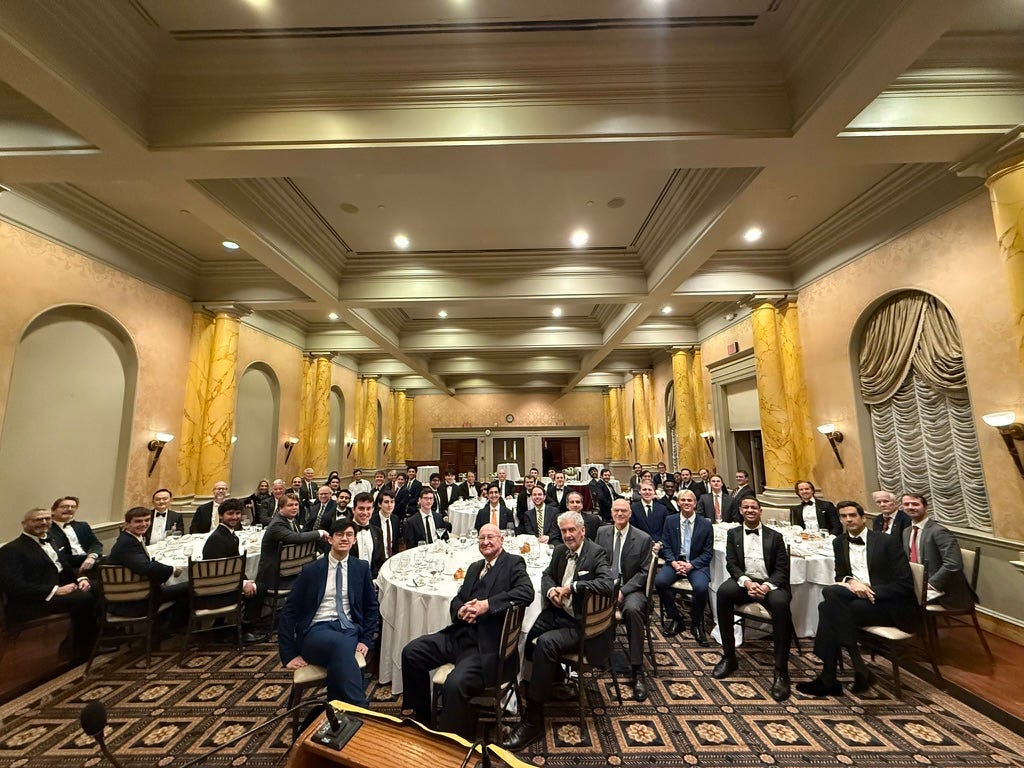
Celebrating My Last Founders’ Day As President Of Georgetown’s Foreign Service Fraternity
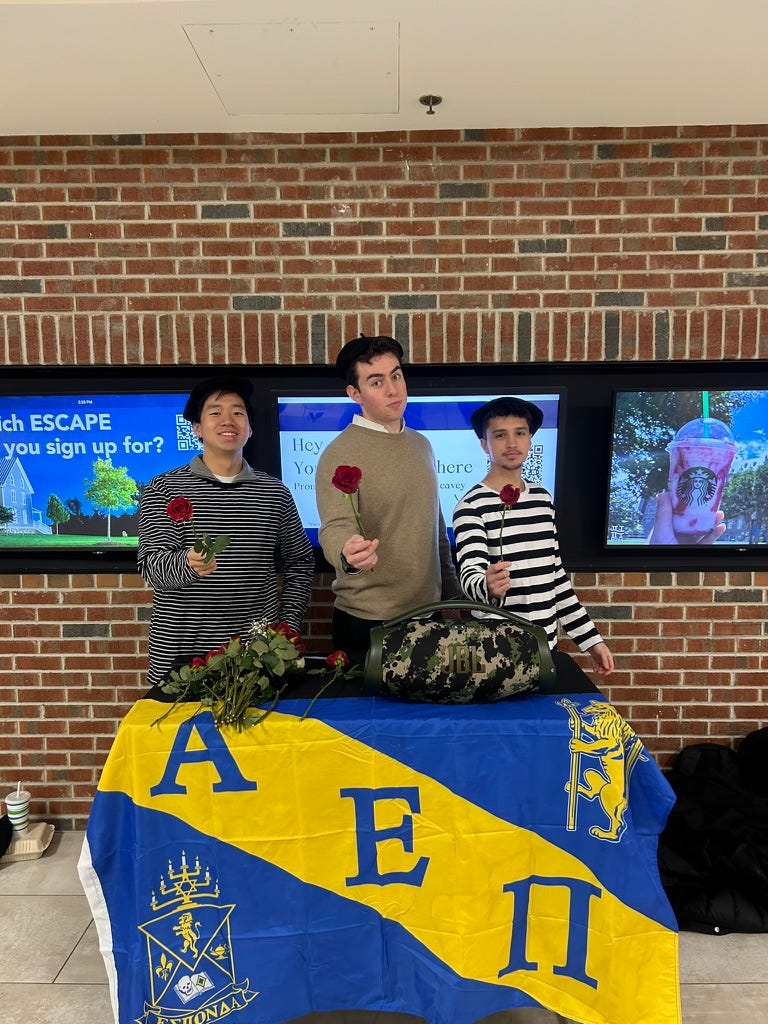
Organizing An AEPi Valentine’s Day Fundraiser For Miriam’s Kitchen
Thoughts I’m Pondering:

Defiant Optimism
“A fool learns from his own mistakes. A wise man learns from the mistakes of others.”
— Otto von Bismarck
Hardship is inevitable. But it does not affect everyone the same way.
Some people become cynical. Others become more daring.
What’s interesting is that the events themselves often aren’t that different. Two people can go through similar hardships and come away with completely different outlooks.
The difference seems to be the lesson they take from it.
The people who remain both successful and positive tend to learn two things.
First, they practice a kind of defiant optimism.
Second, they treat hardship as information rather than identity.
Optimism is not always rational. Experience gives you many reasons to stop trusting people, to stop believing things will work out, to become cautious and guarded.
Yet some people refuse to do that.
They decide, almost deliberately, to remain open. They maintain a kind of childlike curiosity about the future despite everything they have seen.
This isn’t naïveté. It’s a strategic decision not to surrender belief in possibility. To believe the future doesn’t have to repeat the past.
The second difference is how they interpret hardship itself.
Many people treat hardship as a definition. Something bad happened, therefore the world must be bad, people must be untrustworthy, or success must be unlikely.
But the people who do well tend to treat hardship as information.
They learn from it. They adjust. But they don’t let it become their identity.
In other words, they steer rather than abandon the ship.
The Stoic philosopher Epictetus believed every misfortune was an opportunity to behave well and learn something. The goal was not to fall into self-pity, but to use the blow constructively.
This mindset compounds over time. If you believe pressure can bring out the best in you, each challenge becomes proof of that belief.
Something else changes too.
You begin to trust yourself.
Instead of worrying about what might happen, you assume you’ll figure it out when it does.
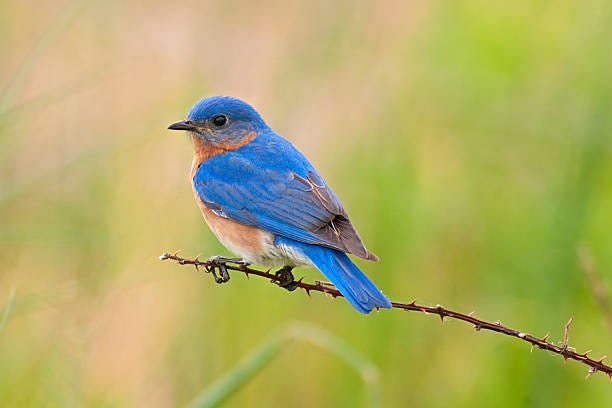
When a bird lands on a branch, it doesn’t trust the branch. It trusts its wings.
Recently I’ve had my own share of swings. If things go well, those swings will probably grow wider.
I once heard that you should try to make both your eight-year-old self and your eighty-year-old self proud.
If I can keep the curiosity of the first and the discernment of the second, I think my eight- and eighty-year-old selves would approve.
More:
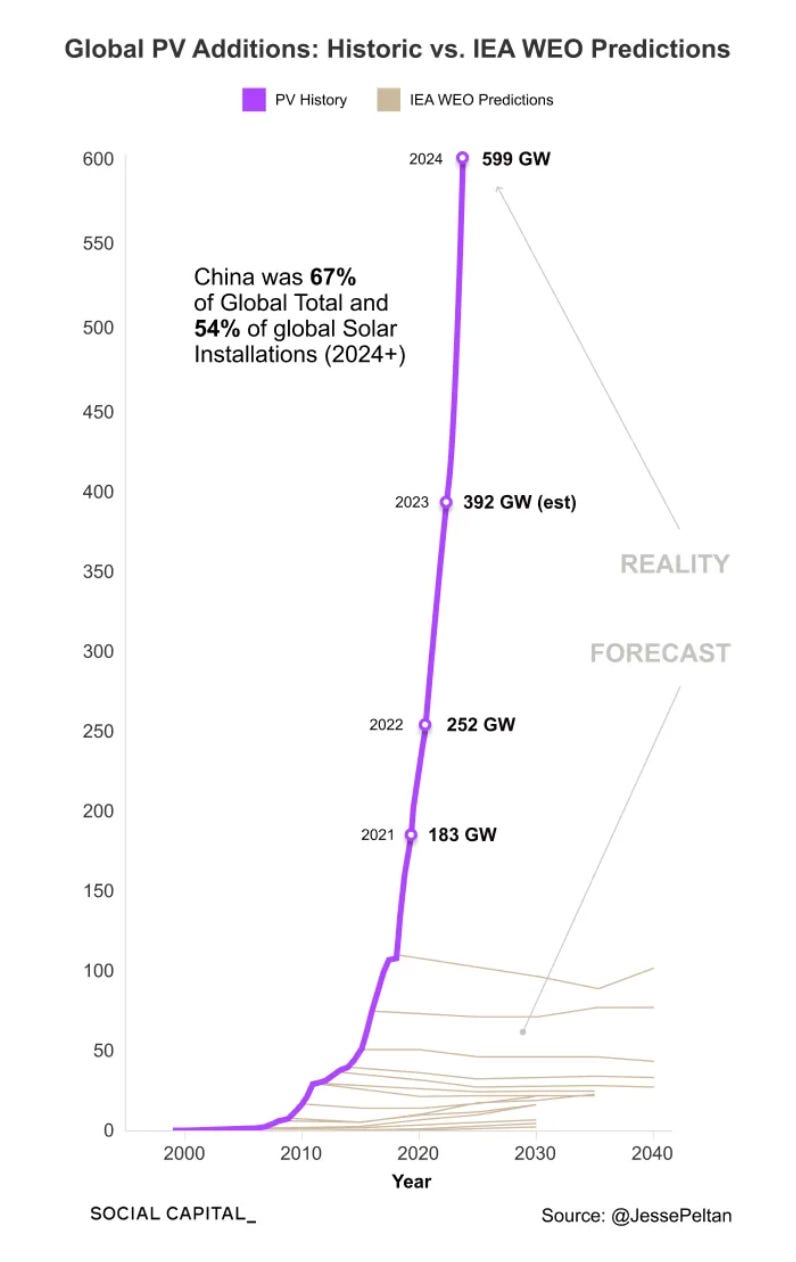
Chamath Palihapitiya: Why Is Solar Attracting $500B Every Year
More money was invested in solar power in 2025 than in any other generation source, and more new solar capacity was installed than all other energy sources combined. China controls 80–97% of the solar supply chain, from polysilicon to modules.
The future of solar deployment may lie in geostationary (GEO) solar arrays that beam power down to Earth. Crazy.
Founders Podcast: Brad Jacobs (How To Make A Few MORE Billion Dollars)
Thank you for your focus on Optimism. To me it works magically when you are walking with your destiny...
“When a bird lands on a branch, it doesn’t trust the branch. It trusts its wings.” Thank you for introducing me to this quote. Boom.