
January 2026
Piezoelectricity, Demystifying Merlin, Penguin Mania, Robert Moses, and more...


This email’s purpose is to:
share what I’m up to and interesting things I’ve found
stay in touch with you (feel free to reply with what’s new!)
Things Exciting Me:
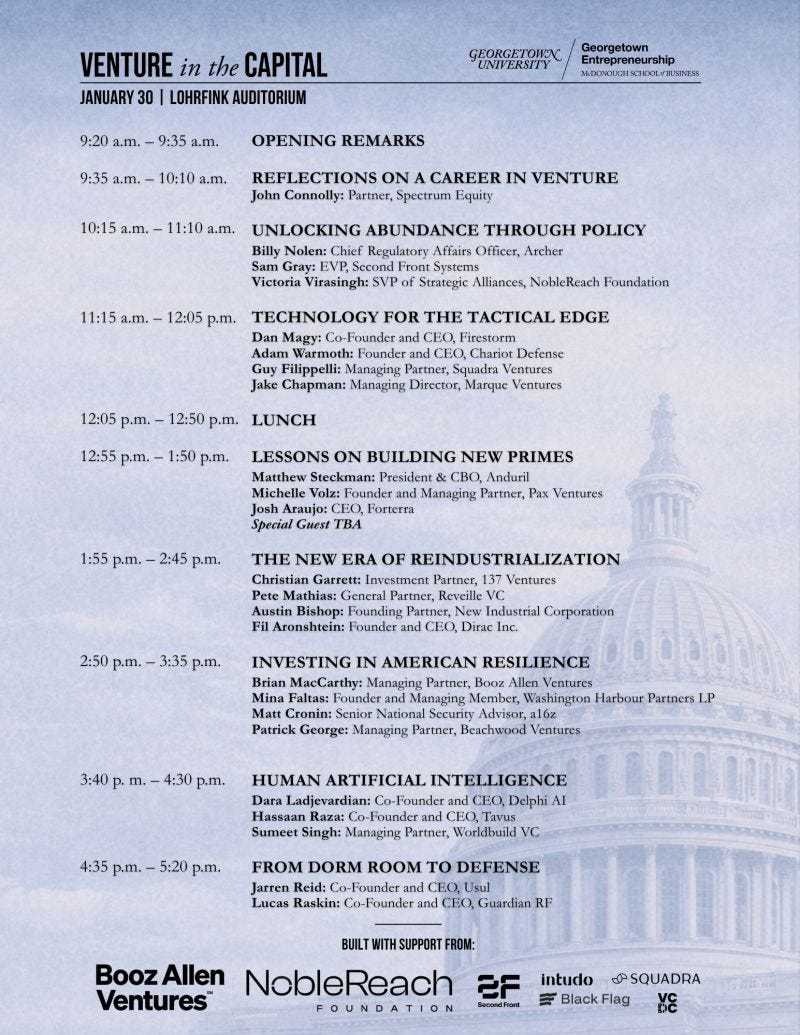
Venture in the Capital Summit
I helped organize Georgetown’s fourth annual Venture in the Capital Summit, attracting 1,983 registrants and 30 speakers and focusing on reindustrialization, defense, and AI.
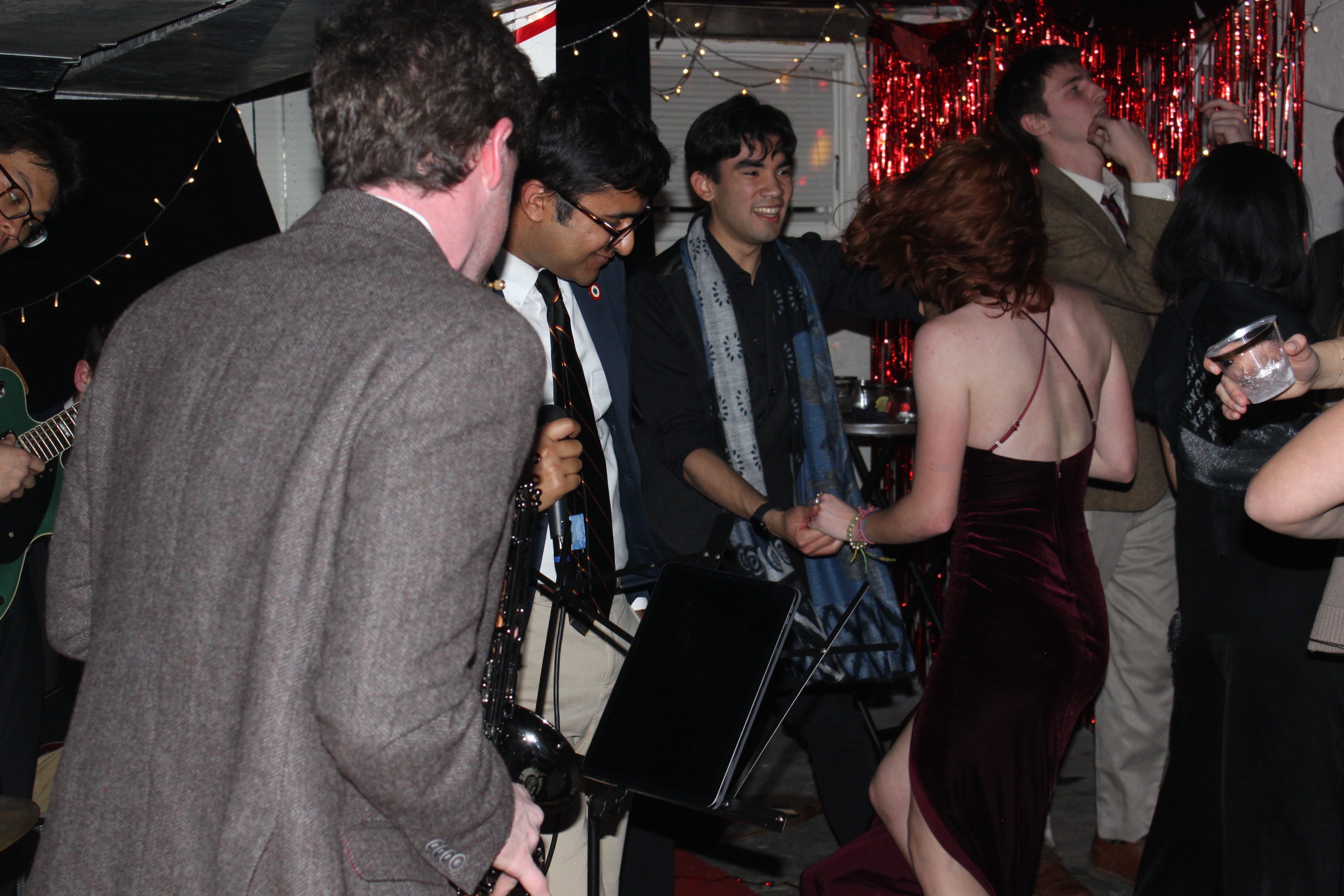
Things I’m Enjoying w/ Takeaways:
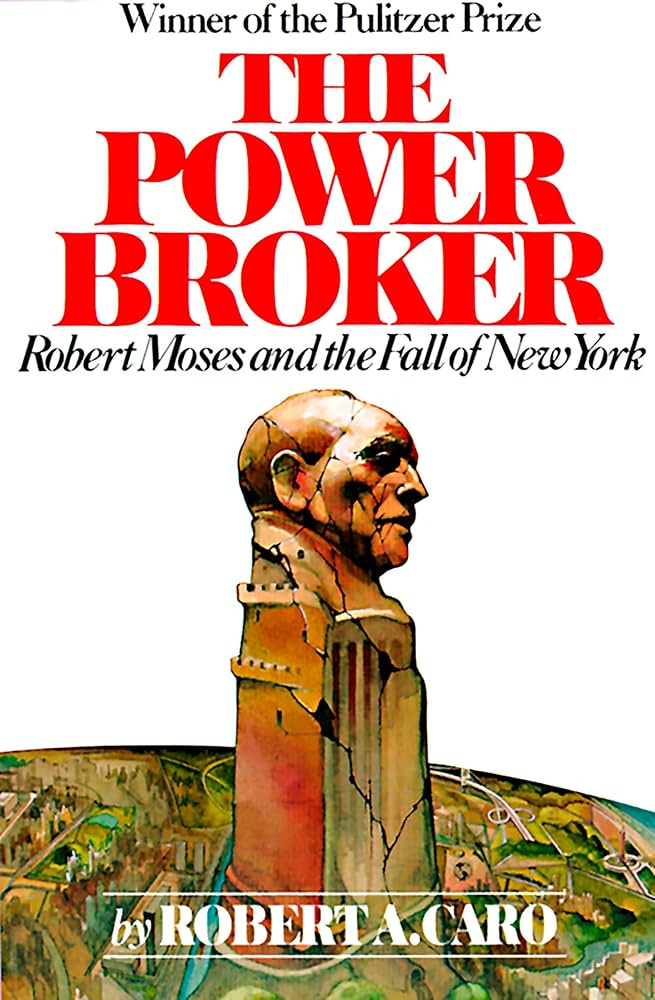
The Power Broker by Robert Caro
Robert Moses built much of modern New York and, in the process, amassed immense power without ever holding elected office. His life is a study in ambition and control, showing how intelligence, political skill, and relentless competence can shape a city for generations.
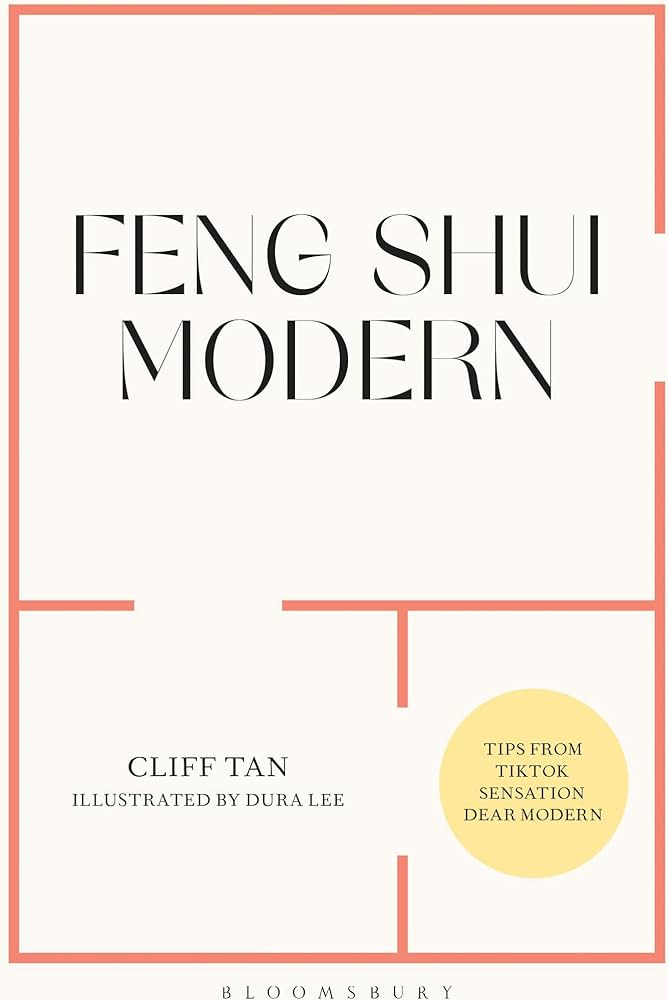
Feng Shui Modern by Cliff Tan
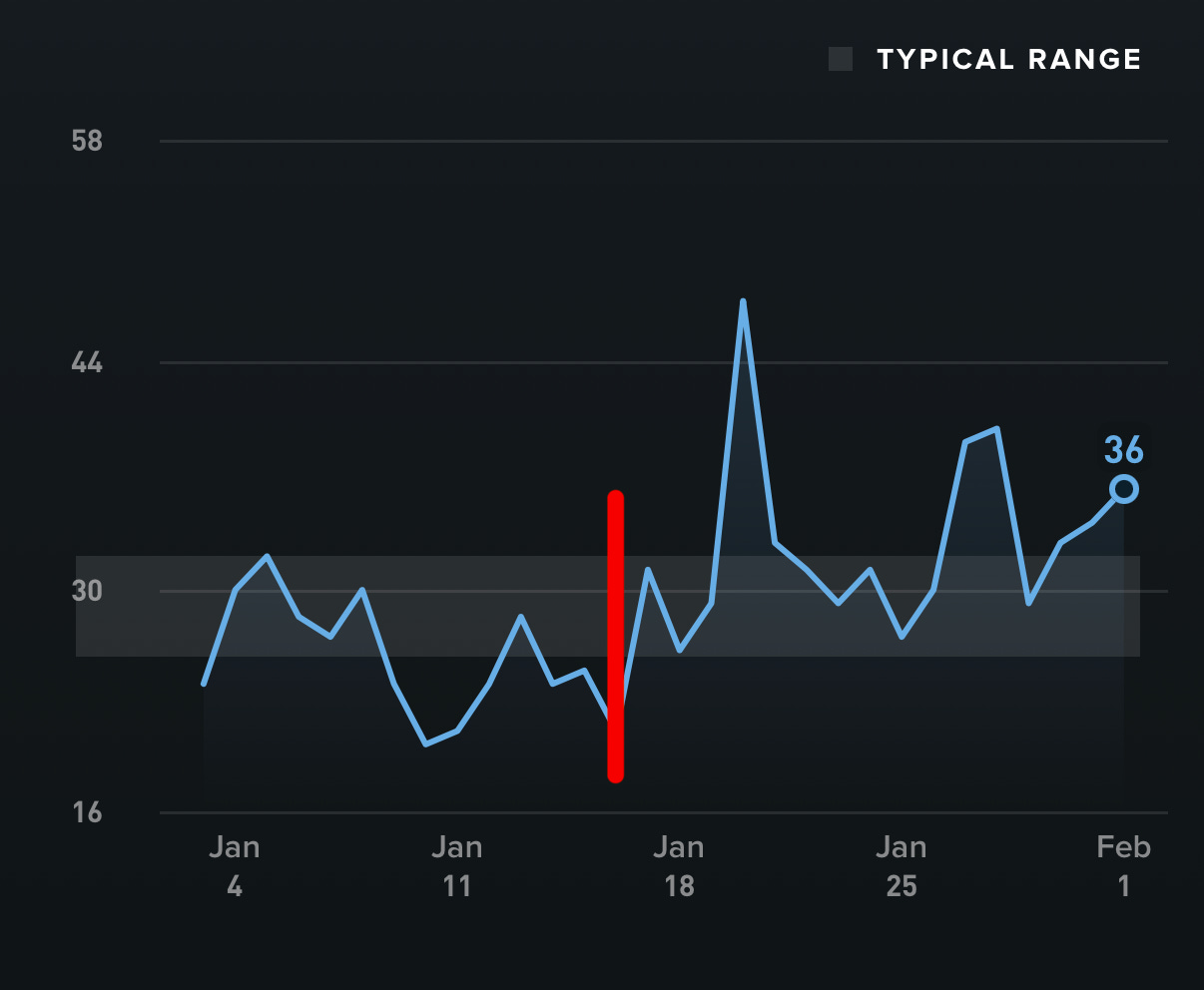
I rearranged my room and desk setup in accordance with this book and have seen a meaningful lift in my recovery metrics. Causation or correlation aside, I’m happy with the results.
Key changes were reposition the bed and desk into “Command Position.”
Thoughts I’m Pondering:
Demystifying Merlin: Learning to See Your Own Future
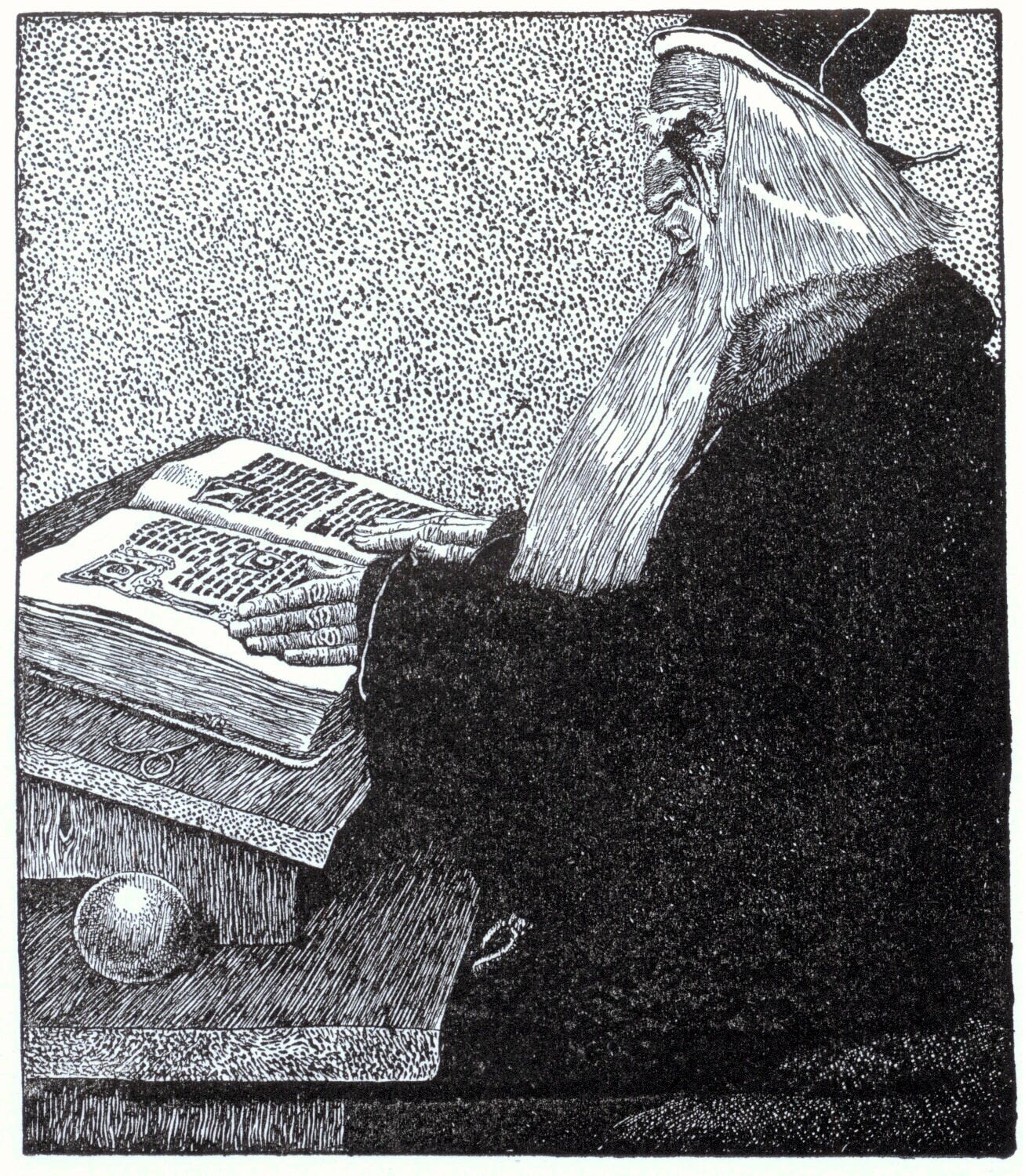
Everyone knows King Arthur, the boy who pulled the sword from the stone and became a king. As children, we wonder if we might do the same: receive a letter from Hogwarts, lift Thor’s hammer, discover some hidden destiny waiting just beneath the surface. But as I’ve gotten older, I’ve come to believe we can learn less from Arthur and far more from his wizard, Merlin.
Merlin is interesting for one reason. He could see the future for everyone except himself. While the fates of those around him appeared obvious, his own remained obscured, and that blindness ultimately led to his downfall.
“The only thing I want to know is where I’m going to die so I never go there.”
— Charlie Munger
Merlin’s irony is deeply human. His failure was not a lack of intelligence or foresight, but an inability to step outside himself. He knew too much, yet could not detach from his own identity. The real advantage in life, it turns out, is not brilliance or power, but self-awareness, knowing where your vision fails.
Like Merlin, we struggle to separate who we are from how we see. We speak confidently about others’ pasts and futures, as if their paths are obvious, yet remain strangely blind to our own. In doing so, we become our own Merlin, clear-eyed about every fate except the one that matters most.
Those most certain in their understanding of the world are often the least able to see themselves clearly. The question, then, is not whether we can see the future, but whether we can look at ourselves with the same honesty we apply to others.
So how do we escape Merlin’s fate?
The answer comes in two parts.
1. Perception vs. Perspective
Escaping Merlin’s fate begins by creating distance from our own perception.
Each day, we absorb thousands of competing signals. Without stepping back, our decisions are governed by perception alone, reactive, narrow, and untethered from context. We optimize for comfort, ego, envy, and short-term reward. Perspective restores scale. It places action within a broader system and stretches thinking across time.
“He who has a why to live for can bear almost any how.” — Friedrich Nietzsche
We carry two voices in our head: one that speaks and one that listens. Perception speaks first. Perspective listens and asks whether what feels true now will still feel true later. For Merlin, perception drowned out perspective. Identity clouded judgment. Hope bent reality. Fear narrowed what he could see.
The goal, then, is not to silence perception, but to train perspective, to create enough distance from ourselves that we can observe our own reactions rather than obey them.
Distance does not come from a single insight. It comes from practice. Nearly every culture has developed methods for stepping outside the self. Attending a Jesuit university, I’ve learned that Christianity frames this tension through apophatic practice, where God is found in silence, and cataphatic practice, where God is found through action and engagement with the world. I’m a believer in the latter. The Jesuits believed God is found not by retreating from the world, but by living within it while resisting attachment to status, comfort, and ego.
“The great man is he who in the midst of the crowd keeps with perfect sweetness the independence of solitude.” — Ralph Waldo Emerson
Once we can distance ourselves from perception, we gain the freedom to change our behavior. Napoleon Hill described this skill as an internal boardroom, a collection of voices you can consult when making decisions. Instead of reacting as yourself, you step outside yourself. You ask not what you would do, but what someone you respect would do in your position.
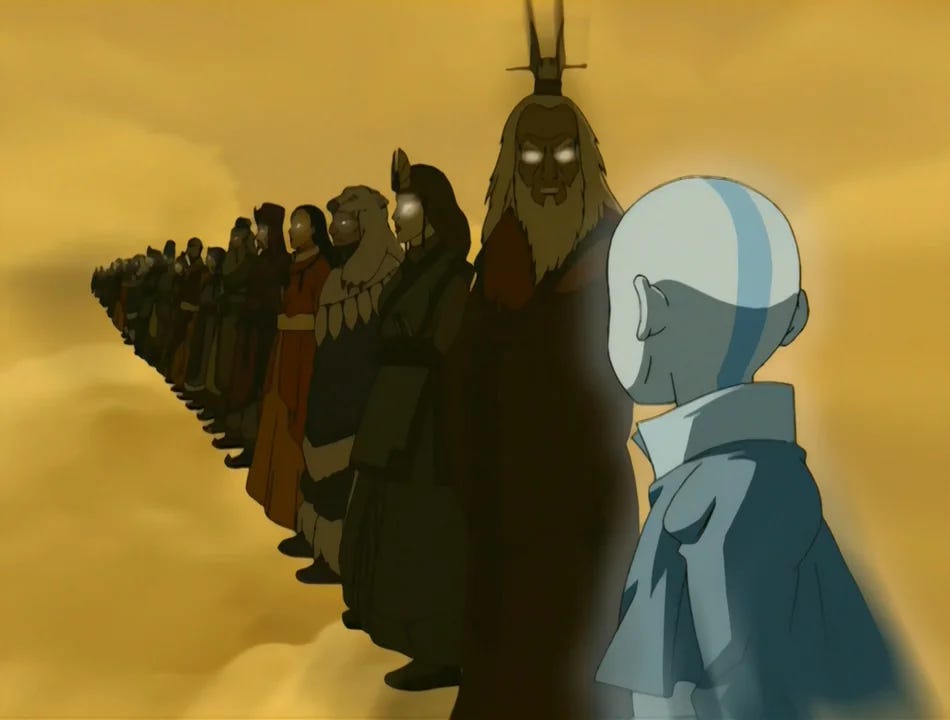
Mike Tyson for discipline.
Elon Musk for production delays.
Chris Voss for difficult conversations.
If you act as they would, it no longer matters whether you are them. Over time, you synthesize these borrowed perspectives into your own. This is how perception becomes perspective.
2. Seeing the Future Through Others
The second way we escape Merlin’s fate is by understanding people well enough to anticipate outcomes. In this sense, wisdom is a form of foresight.
“God, grant me the serenity to accept the things I cannot change,
Courage to change the things I can,
And wisdom to know the difference.”
— Serenity Prayer
Wisdom is recognizing patterns in human behavior before they turn into consequences. The traits that attract us are often the same ones that later cause friction. Confidence resists compromise. Adventure resists stability. Independence resists commitment.
People list the qualities they want in a partner without accounting for the tradeoffs those qualities carry. If you want someone strong and self-assured, you cannot expect them to abandon the foundations of that strength. If you love someone free-spirited, you should not be surprised when they resist confinement. To desire a trait is to accept how it unfolds holistically throughout time.
Psychological maturity is understanding the rules of the game and choosing which ones are worth playing.
“The best argument is the one that never occurs.” — Dale Carnegie
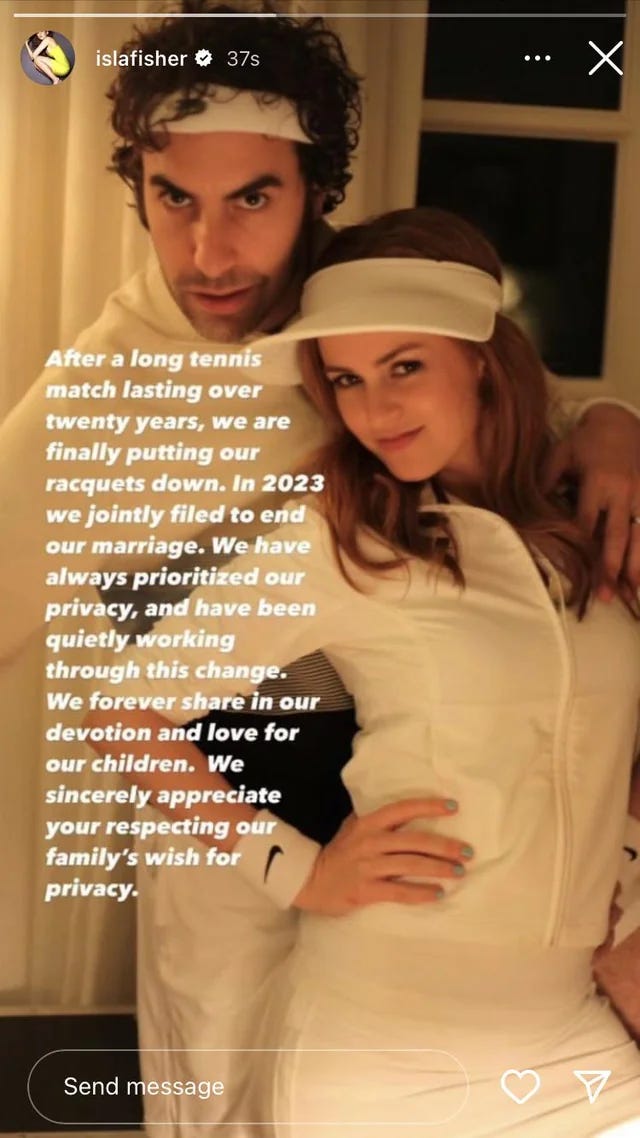
This rests on a difficult truth. People rarely change, especially for you. Intentional change is hard in any context. Relationships succeed when two people choose to grow in the same direction. When that alignment disappears, it may be time to part ways. I thought this was expressed with surprising clarity in Sasha Baron Cohen’s divorce announcement with Isla Fisher.
Like Merlin, we are tempted to move blindly forward while everyone else’s path appears obvious. But unlike Merlin, we have a choice. We can study our patterns, create distance from perception, and choose relationships with open eyes.
The future is not hidden from us. It is revealed the moment we are willing to see ourselves clearly.
“You could be the master of your fate, you could be the captain of your soul, but you have to realize that life is coming from you and not at you. And that takes time.”
— Timothée Chalamet
Other: How Hitting Crystals Makes Electricity, FEI Driving World Cup, Kombucha Calculator, PizzaGate—The Pentagon’s Geopolitical Canary, Track Penguines with the WWF (big fan of Pickle)

Monty! What a great piece, both the thinking and the writing...It's so exciting to see children grow into adulthood...I hope to keep following your path into the future.
This is so thought provoking and inspiring on so many topics. Thank you for gathering so much information and sharing your inspiring lens. ✍️