
September 2025
John D. Rockefeller's 38 private letters, My speakeasy jazz club, Alex Karp's dead hang, and more...


“Why am I getting this email?” — You
Relationships are important.
Keeping in touch is hard.
This email’s purpose is to:
share what I’m up to and cool stuff I’ve found
stay in touch with you (feel free to reply with what’s new!)
Things Exciting Me:
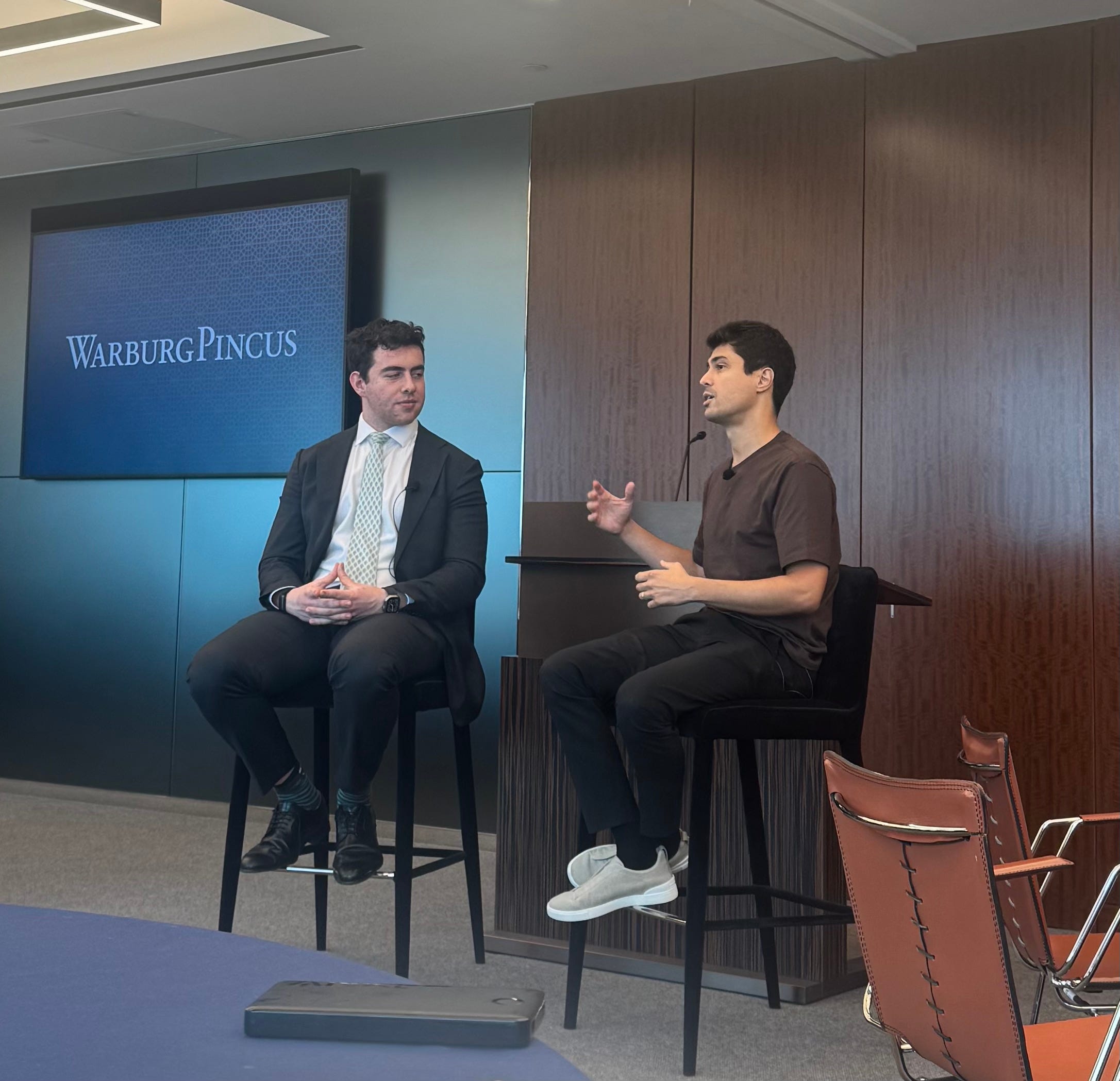
Speaking with Hisham Elhaddad at GPS’s Fall Conference
Hisham and his partners launched HOF Capital, now a $4B+ venture firm backing generational founders and their startups, including xAI, Anthropic, Colossal Biosciences, Neuralink, and Blank Street Coffee.
My Key Takeaways:
Success stems from sacrifice | Generational founders think differently | AI valuations are frothy…
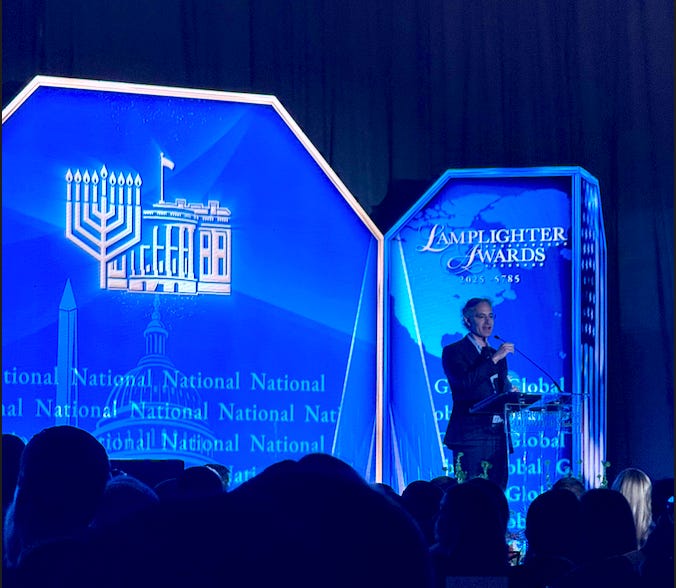
Attending the Lamplighter Awards Honoring Alex Karp (wiki page)
Alex Karp is the eccentric philosopher-turned-CEO who built Palantir into one of the most powerful data analysis companies in the world, blending contrarian thinking with relentless ambition. — ChatGPT 5
Key Takeaways:
Karp uses skeptics’ doubt to spur him onwards and has an exceptionally level head.
He is also known for his workout regimen, including vigorous cross-country skiing and a 4-minute and 36-second dead hang. (Watch this video)
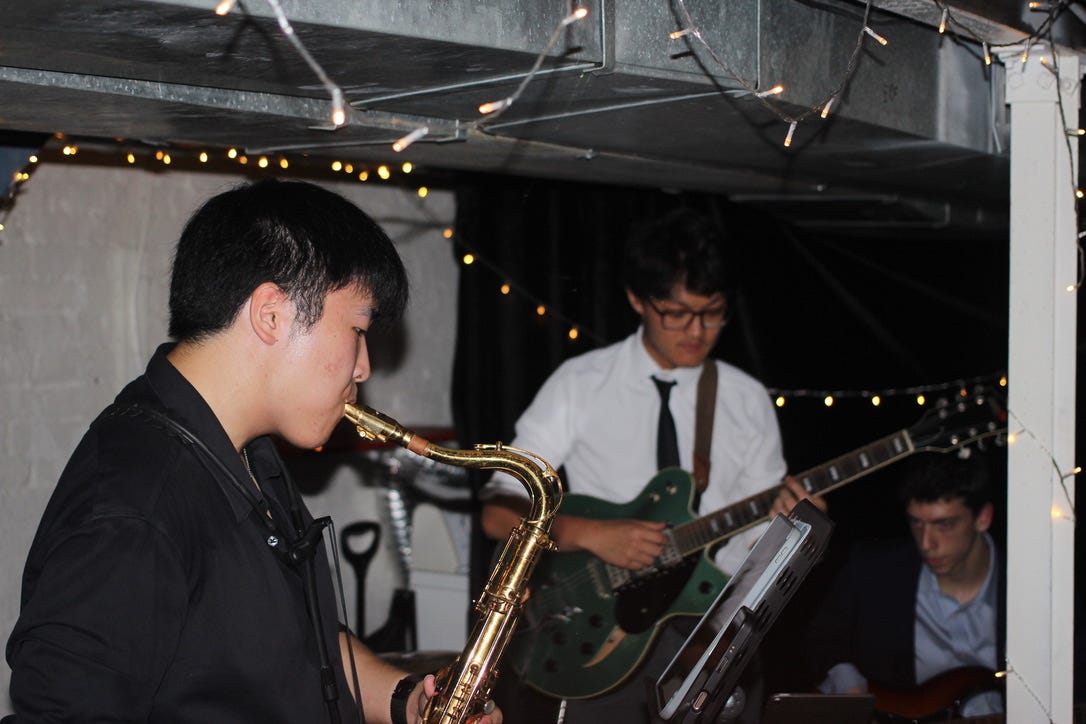
Creating a Speakeasy Jazz Club (in my basement)
What I’m Ingesting w/ Takeaways:
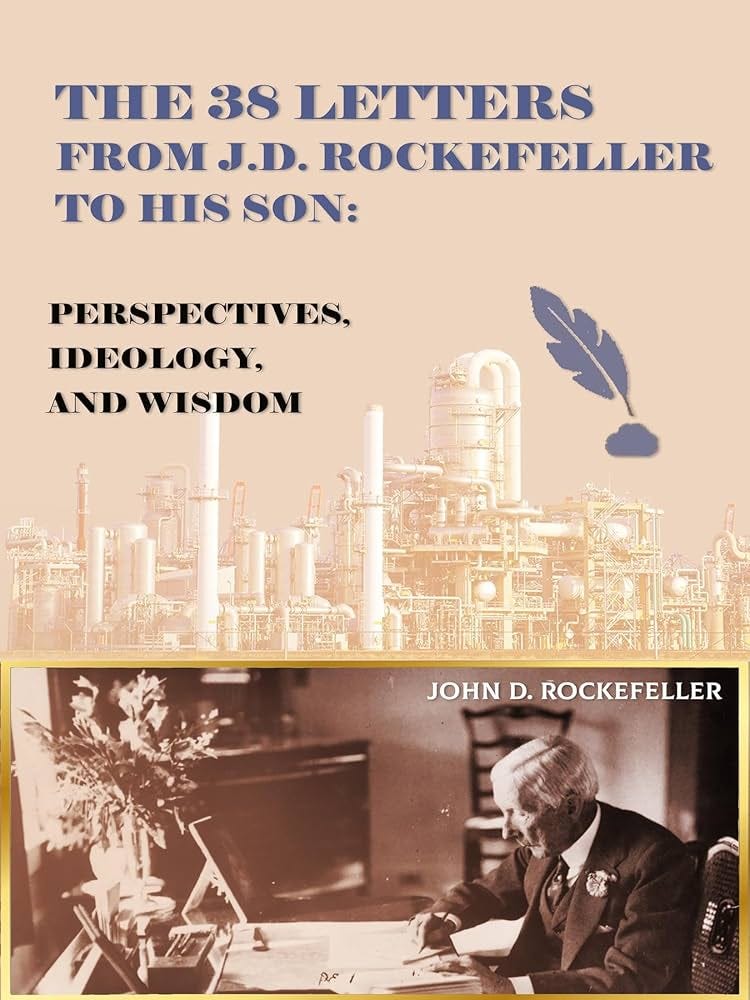
The 38 Letters from J.D. Rockefeller to his Son by John D. Rockefeller (Founders Podcast)
A compilation of 38 private letters written by business magnate and oil pioneer John D. Rockefeller to his son.
Key Takeaways:
Loathe the amateur | Luck is creatable | Wealth is a byproduct of diligence
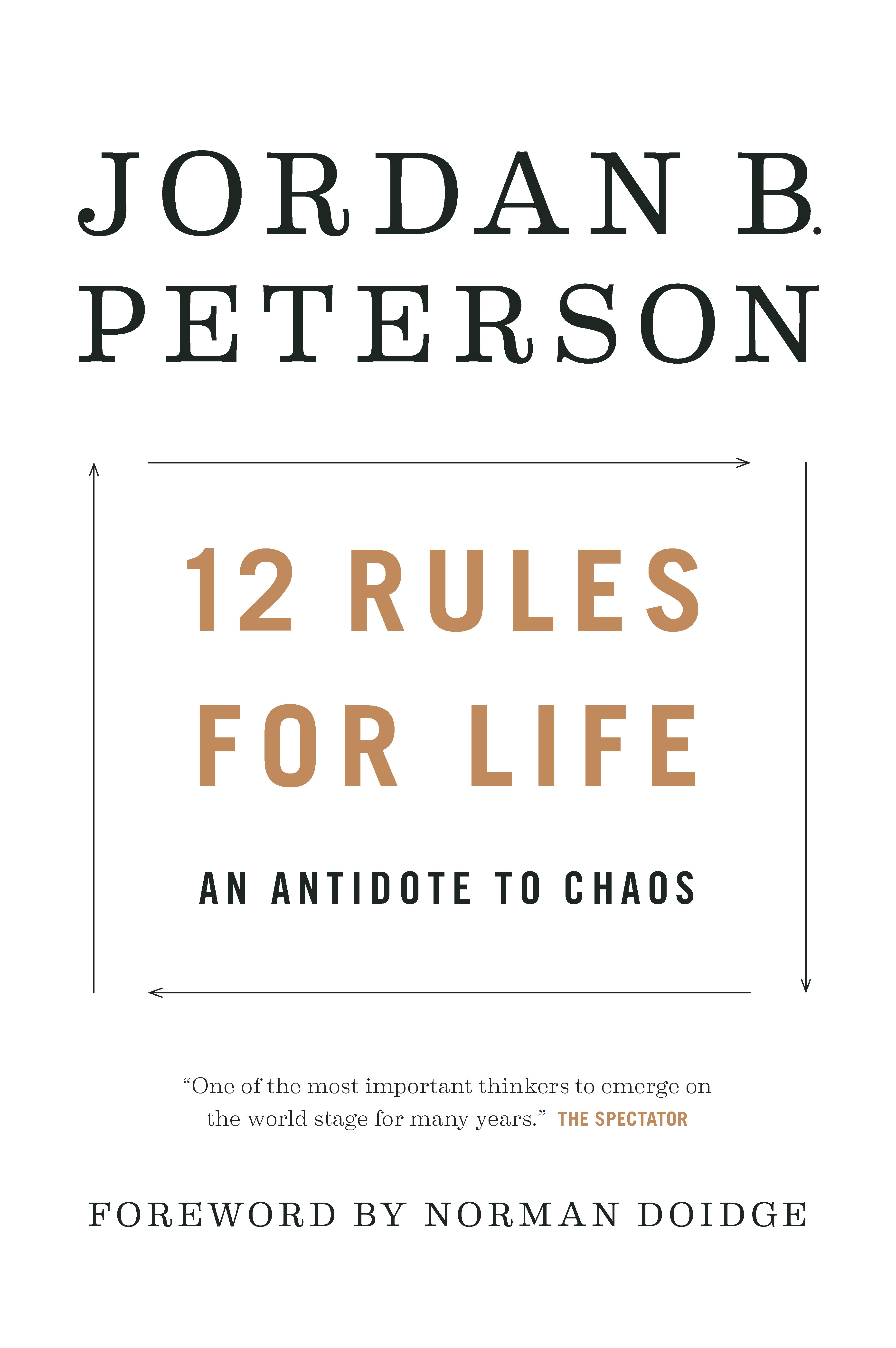
12 Rules for Life: An Antidote to Chaos by Jordan B. Peterson
My friend gave me this book during Covid. Every time I’ve opened it, I’ve found tremendous insights.
“Blessed are those who create order from chaos.” - Dr. Albert Levis
Key Takeaways:
Compare yourself with who you were yesterday, not with who someone else is today
Do not let your children do anything that makes you dislike them
Be precise in your speech
Thoughts I’m Pondering:
Standing on Sediment: Timing the Typewriter
“This is a field where one does his work and in ten years it is obsolete. It’s sort of like a sentiment of rocks. You’re building up a mountain and you get to contribute your little layer of sedimentary rock to make the mountain that much higher. No one will see it, but they will stand on it.” - Steve Jobs
I like typewriters. They scratch an itch. They’re tactile, understandable, and enjoyable to clank around on. But when I need to write an essay, I reach for my keyboard.
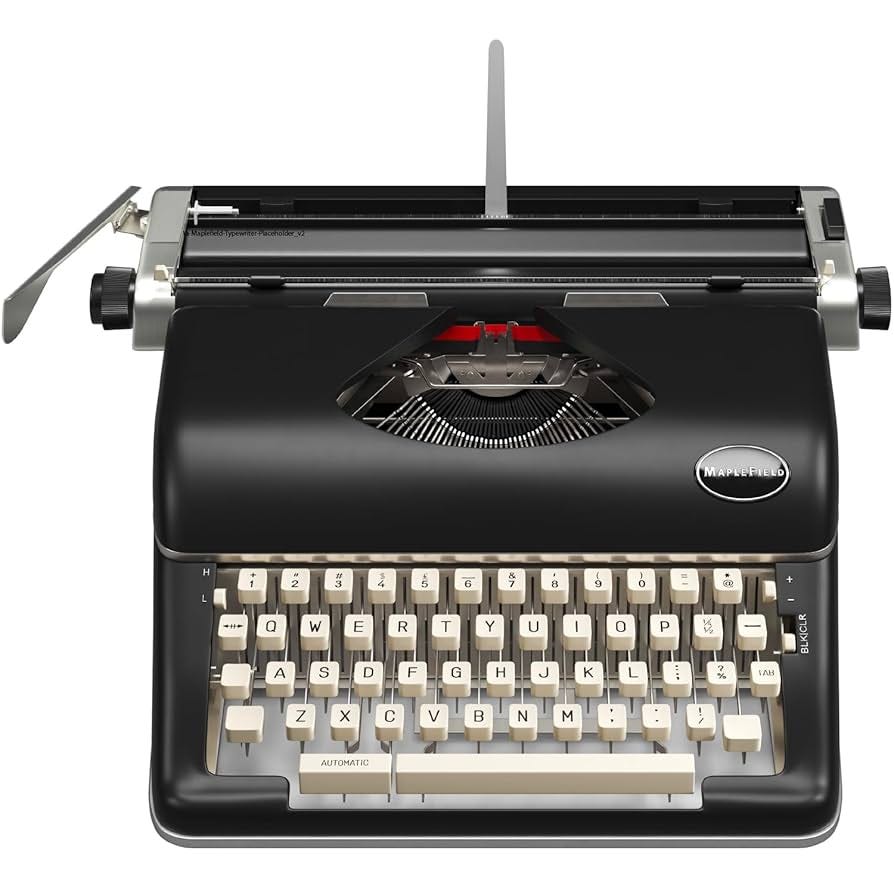
Some people still use typewriters.
In 1816, the first camera was invented. Before then, if you wanted to capture a landscape or portrait, you needed a steady hand and paint. Then everything changed. Not all at once, but for the first time, painting wasn’t the best way to capture a setting.
The same is true today. If you want the outcome, you use a camera. If you want the process, you pick up a brush. Each has its own function.
The trend of the 21st century has been the creation of cameras and keyboards.
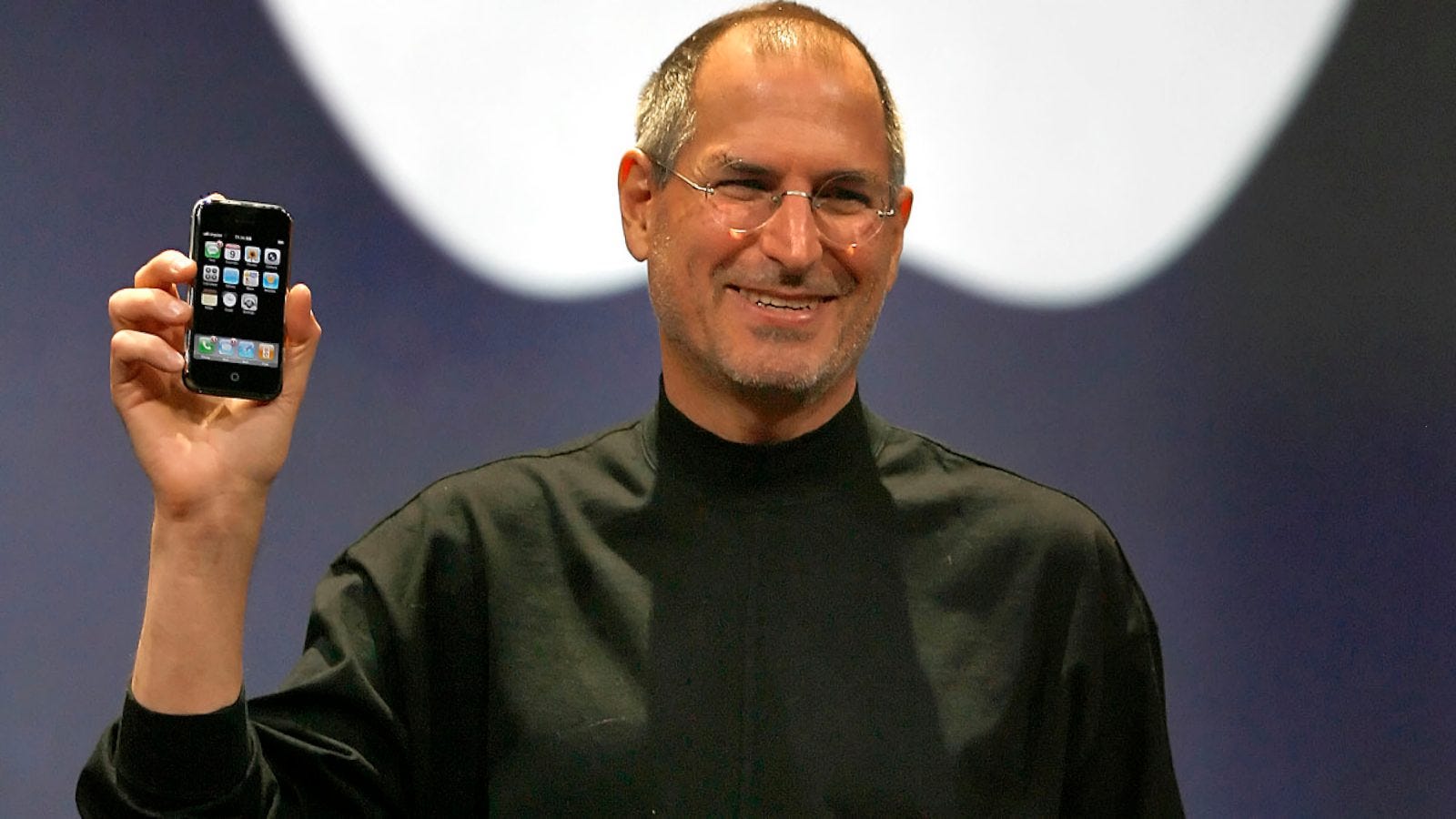
Recent keyboards include:
Podcasts replacing nightly news
YouTube and short-form content eclipsing primetime TV
Online retail reshaping in-store shopping
This week, OpenAI released Sora 2—challenging TikTok’s dominance just as TikTok finalized a White-House-brokered deal with Oracle. Legacy systems like broadcast news, print papers, and brick-and-mortar retail still exist, but in different roles. Today, bingeing podcasts or how-to YouTube videos is the 21st-century equivalent of bingeing Friends or How I Met Your Mother. The mediums shift, but entertainment is still entertainment—and commerce is still commerce.
AI is the ultimate keyboard—powerful enough to turn us all into typewriter users overnight. To many, it looms as a boogeyman that might both steal jobs and save the world. Meanwhile, the biggest companies are pouring billions into feeding it the world’s data and capital. With the layers of technological sediment piling up so quickly, how do we find stable ground to look ahead?
Start by identifying today’s typewriters.
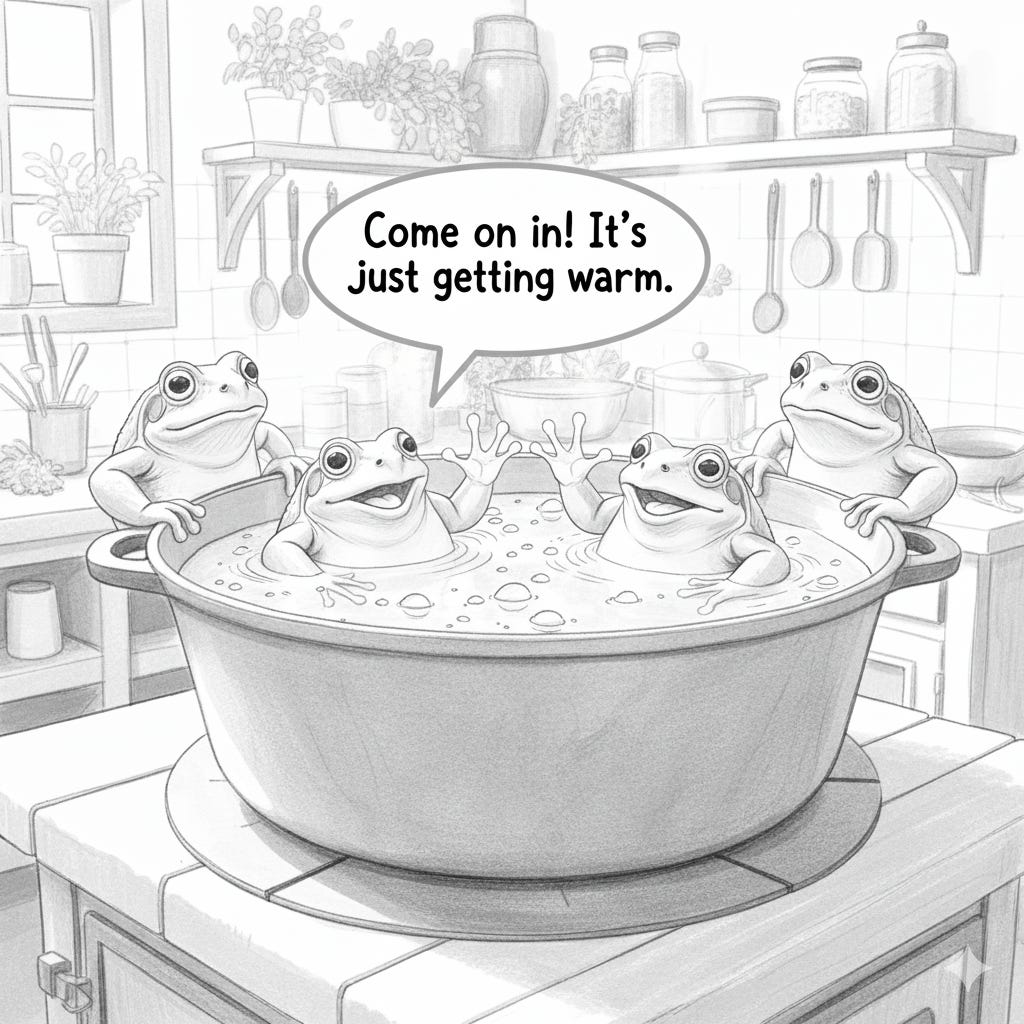
Typewriter mechanics will always defend typewriters. But technology adapts faster than social convention. New tools, like CRISPR, stem cell therapy, and blockchain, are always met with skepticism. In the short run, they disappoint. In the long run, they prevail.
AI is no different. Though some remain dismissive, there’s still headroom in reinforcement learning and specialized models—one reason I’m not rushing to study dermatology or radiology anytime soon.
“The goal isn’t to get married but to stay married. The goal isn’t to get into business but to stay in business.” - Alex Hormozi
The goal isn’t to cling to typewriters. It’s to avoid confusing tools with ends—and to keep betting on the right horse at the right time. The sediment of technology is moving so quickly that the present is the future.
TLDR: The present is the future. Teach kids to play with keyboards, not typewriters.
Other:
Chinese bone glue, Twitter bots got my condolence tweet 1.2k views, 2003 Jeff Bezos TED Talk, Retro-summer vibes with Poolsuite, Grow your own bioluminescent aquarium (not a sponsor…yet)
Want to test out futuristic, non-invasive neurotech and make $1,600? Message me
I feel the need to visit this jazz club